
Implant Dentistry Aftercare: How to Recover After an Implant Surgery
By Greenwood Local Dentistry in
Blog
06/01/2025
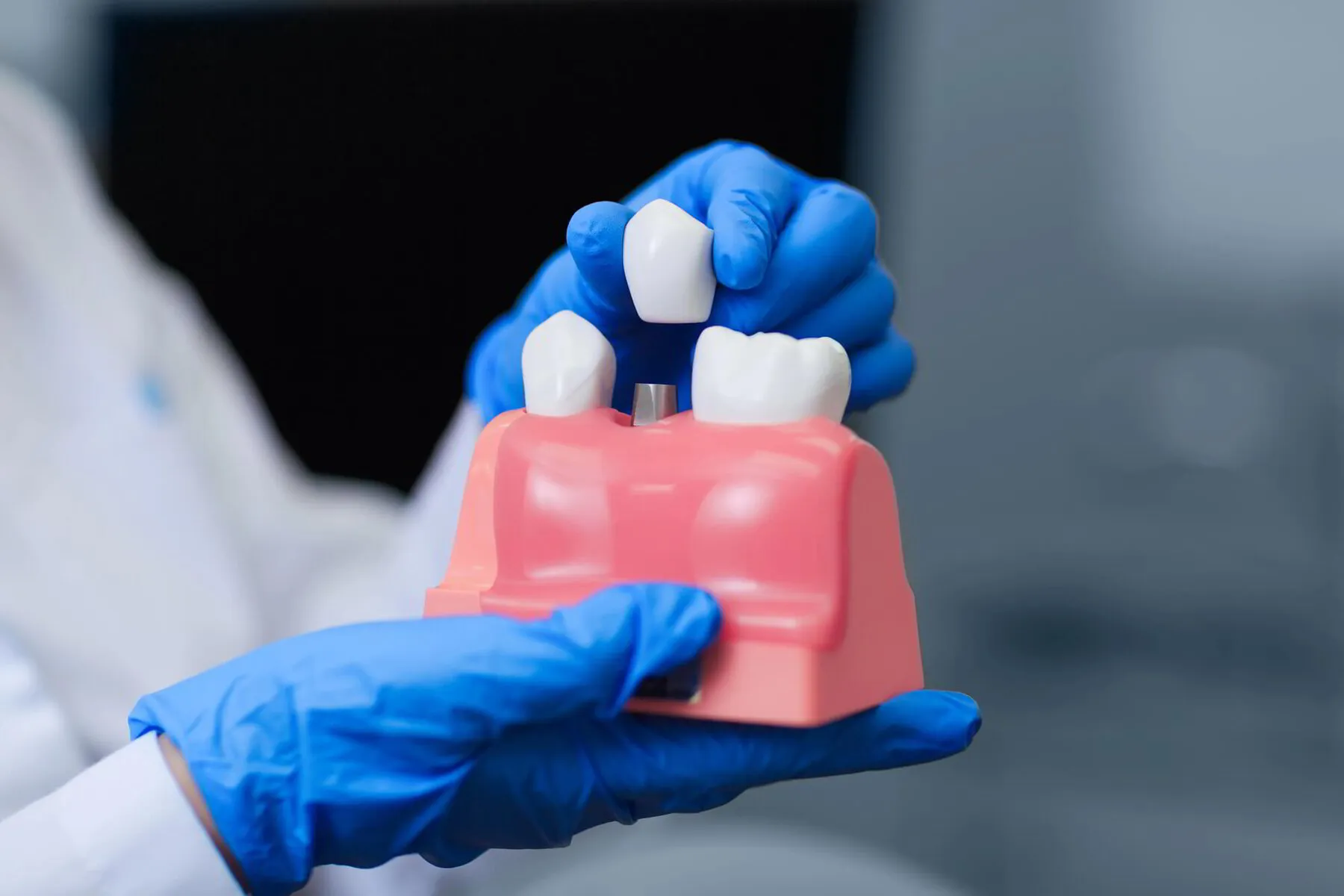
Missing teeth can be more than a cosmetic concern: they make it difficult to eat and speak and can lead to jawbone resorption. This triggers a chain of events that can negatively affect oral health in the long run. Luckily, this doesn’t have to happen if you replace those missing teeth with dental implants in East Nashville.
Implants are the only dental restoration that will allow you to recover the functionalities and aesthetics of your smile while maintaining your jawbone health. While the process of getting implants may seem invasive, recovery from implant surgery can be seamless and stress-free if you know what to expect and follow the right steps.
Implant Surgery Healing Stages and Aftercare Tips to Consider
1. First 24 Hours After the Placement of the Implant Post
Implant surgery may involve local anesthetic if a brief surgery is needed, or patients can use heavier sedation options. If you opt for the latter, you will need someone to give you a ride home.
- For the first 24 hours after surgery, avoid drinking through straws, spitting, and washing your mouth vigorously. These actions can disrupt the dental implant and cause it to fail.
- Avoid prodding the surgical site, as this may cause the forming blood clot to come loose and encourage bleeding. Smoking should also be avoided since it raises the risk of infection.
- Minor bleeding is normal and usually goes away an hour or two after surgery. Apply biting pressure with the gauze the dentist provided for 30 to 45 minutes, changing it as necessary until the bleeding stops.
- Swelling after surgery is normal. You can lessen it by applying ice to your face for 20 minutes on and off throughout the day, though it may last several days.
- Once the local anesthetic wears off, you can begin with gentle foods like soup, cottage cheese, pasta, mashed potatoes, or scrambled eggs. Avoid spicy and hot foods, as they irritate the surgical site.
The day following surgery, begin rinsing gently with warm salt water (1 tsp salt in 8 ounces of warm water). You can use a soft-bristled toothbrush to brush your teeth as usual, but take extra care around the surgical sites. Additionally, your dentist might suggest a particular mouthwash to help maintain cleanliness.
2. Days After the Surgery
As days pass, swelling around the surgical site should subside. You may still experience pain, though, but your dentist can prescribe medication to help you manage it. You will also be prescribed antibiotics. Taking them as indicated is important, as they help prevent infection in the surgical site.
You can start slowly easing back into everyday activities. However, until you are pain-free or taking medication for pain, avoid doing any physically demanding activities for three full days, including working out or playing sports.
Your sutures will usually dissolve and come out naturally with no effort on your part.
3. Four to Six Months Into the Healing Period
Following your initial procedure and recuperation period, the dental implant requires time to heal and completely fuse with your jawbone.
During this period, you’ll continue to maintain good oral hygiene. You must brush after every meal using a soft-bristled toothbrush and floss your implants daily. Moreover, see your dentist regularly.
You should visit your implant specialist for professional cleanings and examinations every six months in addition to your at-home care. During these visits, you can clean areas you might have overlooked with your at-home care and look for any possible issues.

Are You Getting Dental Implants in East Nashville?
Missing teeth can significantly impact your quality of life. While invasive, implant surgery offers an unmatchable long-term solution to tooth loss, allowing you to enjoy life to its fullest once again.
Overall, each person’s dental implant healing process will vary based on their case and how well they take care of their dental implants post-surgery. However, by following these tips and getting regular checkups with an implant specialist at Greenwood Local Dentistry, you can ensure the long-term success of your implants.
If you’re already due for a checkup, reach out!