

How Does Dry Mouth Impact Your Oral Health?
By Greenwood Local Dentistry in
Blog
15/08/2025
Feeling dryness in your mouth once in a while is normal—especially during exercise or after a good afternoon nap. However, constant dryness can be the sign of a serious condition known as dry mouth, which requires a visit to the East Nashville dental office immediately.
Saliva plays a key role in the balance of your mouth, helping to digest food and keep your teeth healthy. Therefore, recognizing and addressing dry mouth early is key to protecting your smile.
What Is Dry Mouth?
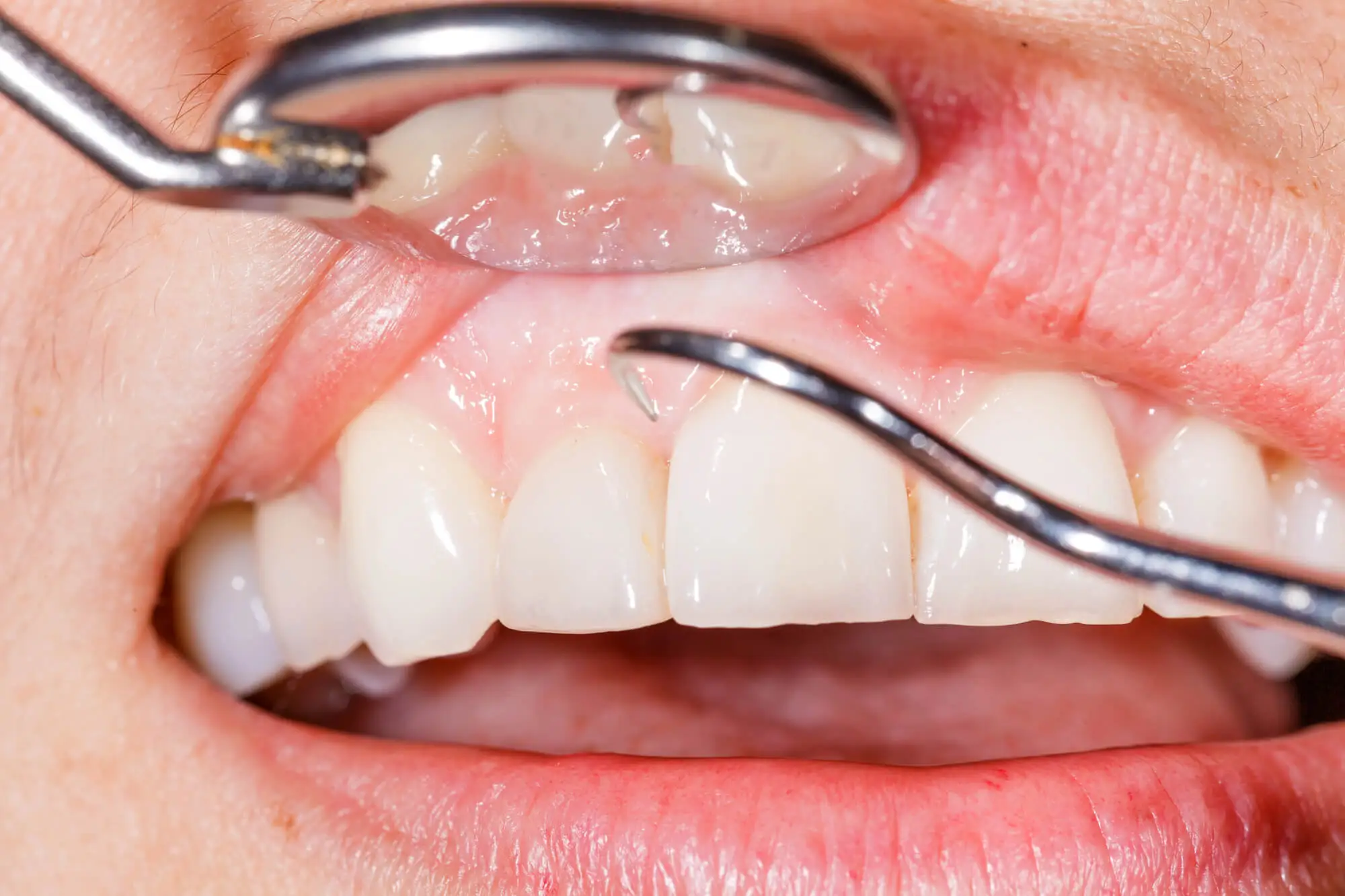
Also known as xerostomia, dry mouth is a condition in which the salivary glands in the mouth don’t produce enough saliva. Patients with dry mouth often notice a constant dry feeling in their mouth. Other signs are bad breath, a dry throat, and cracked lips.
Saliva plays a key role in your oral and overall health. It helps wash away food debris from your mouth and neutralize acids from foods, preventing issues like tooth decay and gum disease. Moreover, saliva initiates digestion by helping to moisten and break down food.
While dry mouth isn’t a serious medical condition on its own, it can lead to complications that impact your oral health, digestion, and quality of life. Some of these include:
1. Tooth Decay and Cavities
Saliva helps protect your teeth from decay by neutralizing acids and washing away food. When saliva production is reduced, acids remain on the teeth longer, increasing the risk of cavities. People with dry mouth often experience rapid tooth decay, especially near the gum line.
2. Gum Disease
Dry mouth contributes to plaque buildup, leading to gingivitis (early gum disease) and periodontitis (advanced gum disease). Without saliva to help control bacteria, your gums become more vulnerable to infection and inflammation.
3. Bad Breath
One of the more noticeable symptoms of dry mouth is persistent bad breath. Saliva helps cleanse the mouth and remove odor-causing particles, keeping your mouth clean and fresh. Its absence allows bacteria to thrive, which can lead to an unpleasant smell.
4. Mouth Sores and Infections
A dry environment can irritate the soft tissues inside the mouth, causing sores or cracks at the corners of the lips. Additionally, dry mouth increases the risk of fungal infections like oral thrush, especially in individuals who wear dentures.
5. Difficulty Speaking, Chewing, and Swallowing
Saliva is essential for lubricating food and aiding speech. People with dry mouths may struggle to talk clearly or chew and swallow food comfortably, impacting nutrition and overall well-being.
What Causes Dry Mouth?
As you can see, dry mouth can have several consequences for your daily life. Nevertheless, this condition isn’t a disease on its own—it’s often brought on by other factors, such as:
- Medications (especially antihistamines, antidepressants, and blood pressure drugs)
- Medical conditions like diabetes, Sjögren’s syndrome, and Parkinson’s disease
- Cancer treatments such as radiation or chemotherapy
- Dehydration or lifestyle habits like smoking
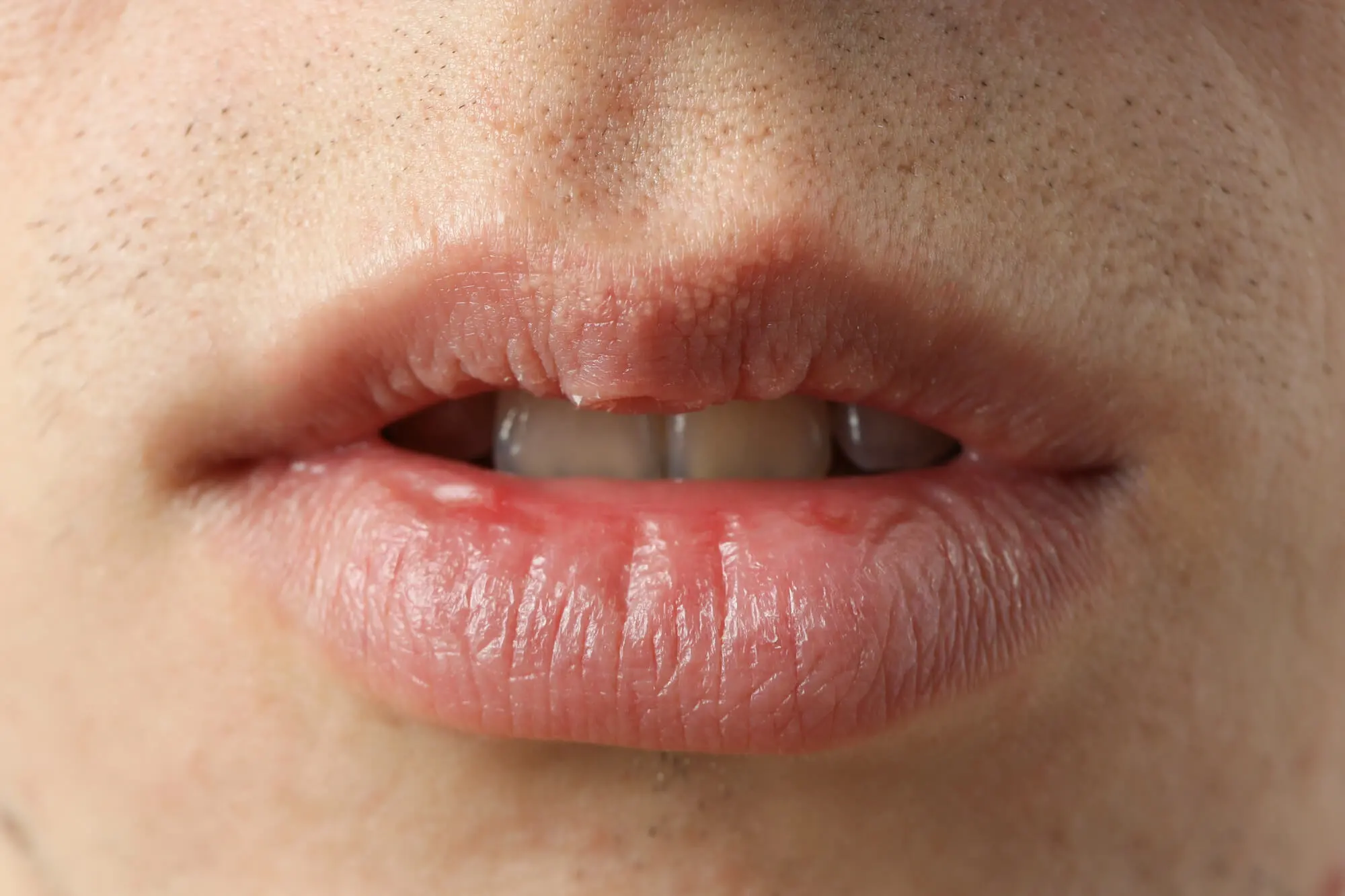
Visit an East Nashville Dental Office and Reduce the Effects of Dry Mouth
Dry mouth may seem minor, but it can seriously impact your oral health. If you’re experiencing persistent dry mouth, it’s important to discuss treatment options with your dentist or healthcare provider. While stopping medications or pausing medical treatments may not be possible, the team at Greenwood Local Dentistry can recommend effective management strategies.
Simple solutions like chewing sugar-free gum can help stimulate saliva production and provide relief. Do you think you might have dry mouth? Contact us today to explore treatment options and protect your oral health before further complications develop.