

Oral Health Tips: Why Flossing Is So Important
By Greenwood Local Dentistry in
Blog
12/02/2025
In medicine, preventing diseases is always more effective than treating them. Dentistry is no exception. You’re probably tired of hearing how important flossing is every time you visit the East Nashville dentist, but this practice is crucial.
Flossing offers several benefits for your oral health in the long run, such as preventing cavities and gum disease. We’re here to help you understand these benefits and gain the knowledge you need to maintain your oral health. Here are some reasons why flossing is so important.

Why You Must Floss Your Teeth Once a Day
While many people brush their teeth twice a day, as advised by the American Dental Association (ADA), not everyone flosses at least once a day. However, this step is just as crucial in maintaining your dental health.
Floss is an interdental cleaner, which means it helps clean the narrow spaces between teeth and the space between the base of teeth and the gums. On the other hand, a toothbrush only cleans the tops and outside surfaces of teeth and gums and cannot reach the areas dental floss does.
Furthermore, while antimicrobial mouthwash can eliminate the bacteria that cause plaque, it cannot eliminate the tough tartar and food particles that can get stuck in between your teeth. So, among oral hygiene methods, flossing is the only one that effectively removes food debris and bacteria from those areas.
The Impact of Your Mouth on Your Overall Health
Every time you brush and floss, you do more than just clean your smile and freshen your breath. Research suggests that you may also enhance your general health and prolong your life.
Many people consider dentistry to be primarily a cosmetic specialty. Nevertheless, the mouth and the rest of the body are not separate. Even though many people are unaware of it, research indicates that dental health is linked to everything in your body, from lifespan to heart health. This is known as the “oral-systemic link.”
Early research focused on the relationship between diabetes and oral health. It is now known that treating gum disease can lower blood sugar levels in diabetic patients, and treating diabetes can prevent gum disease. Additionally, poor oral health is associated with cardiovascular disease and osteoporosis.
How to Floss Properly
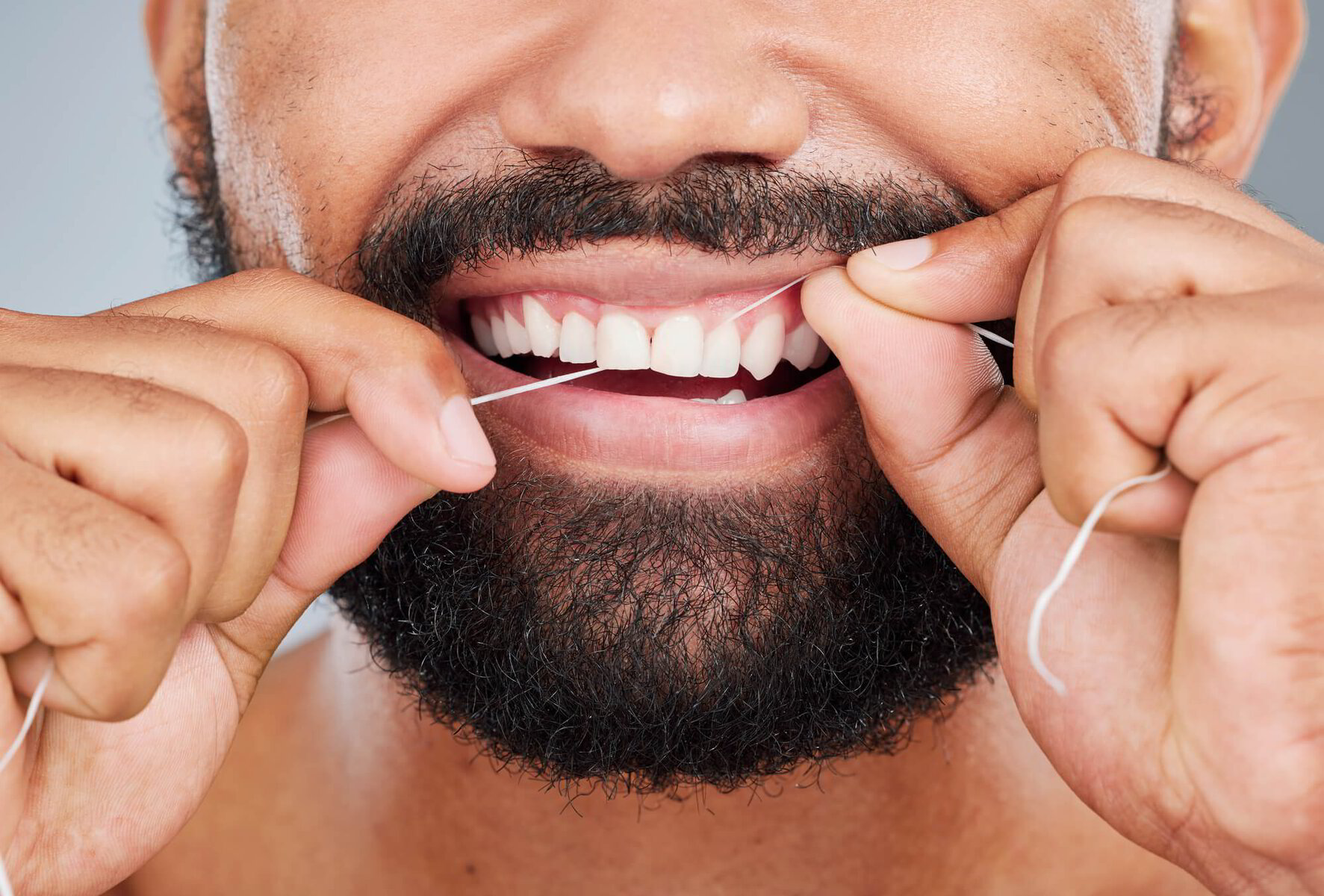
Flossing is not complex but doing it incorrectly can hurt your gums. To prevent that, here’s a small flossing guide:
- Pull out about 18 inches of floss and wrap the ends around your fingertips for better control. Do not force the floss into your delicate gums; instead, gently slide it between your teeth.
- Curve the thread around each tooth and rub up and down to remove plaque. Avoid floss in sawing motions, as this can cause gum irritation.
- Throw away the used floss after you are finished, as it may fray after use and gather bacteria.
- Rinse with mouthwash and brush your teeth after you’re done.
Learn How to Take Care of Your Oral Health from Your East Nashville Dentist
A question you are almost guaranteed to hear at every dental checkup is if you’ve been flossing regularly. You may be tired of the constant reminder, but as you can see, flossing is a small practice that can make a huge difference in oral and overall health.
Additionally, regular dental visits are crucial to ensuring your smile is clean and healthy. If you’re due for a checkup with Greenwood Local Dentistry, contact us today!