
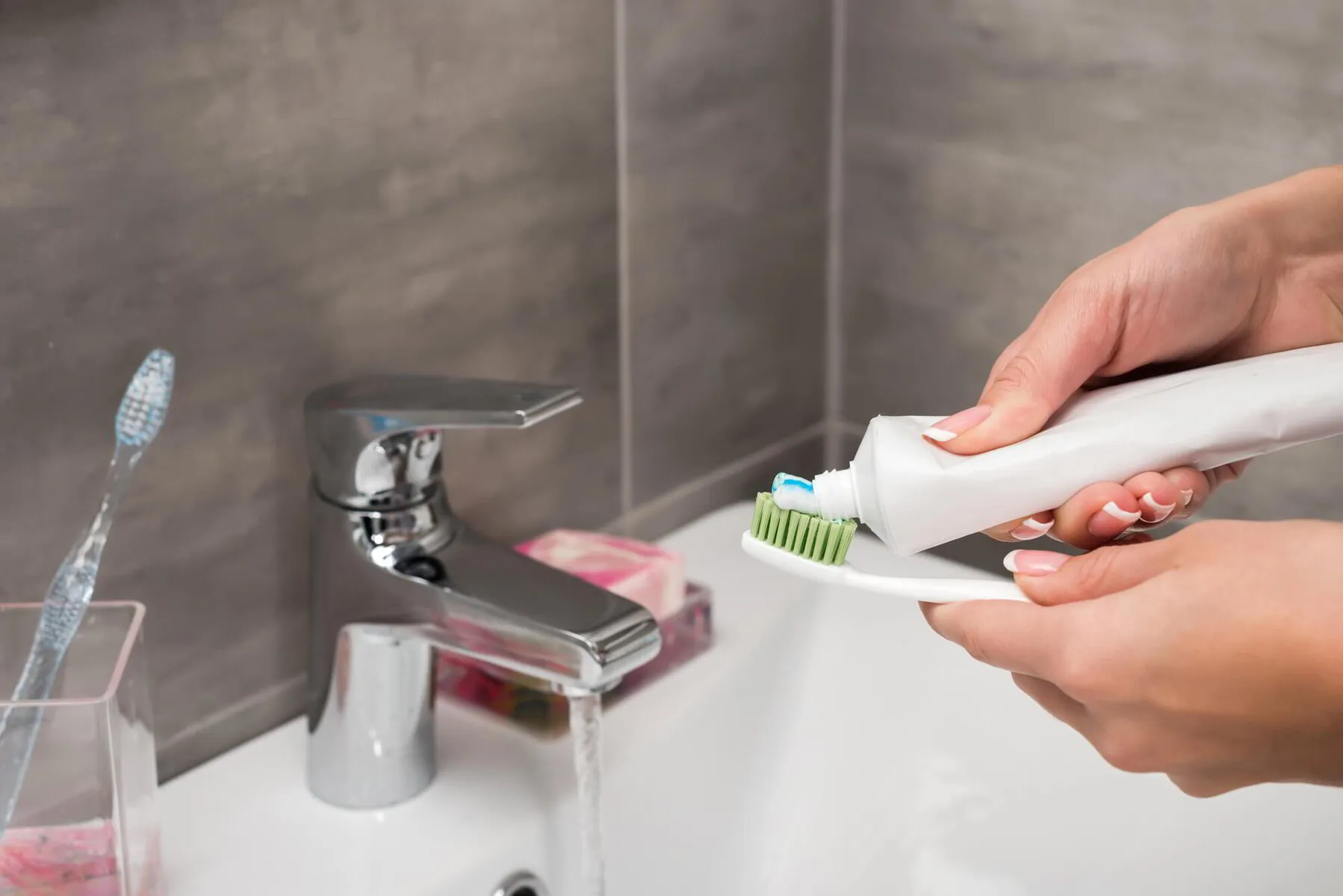
Can Whitening Toothpaste Whiten Your Smile?
By Greenwood Local Dentistry in
Blog
16/12/2024
Your smile plays a big role in your self-confidence, and even a slight stain can make you think twice before proudly showing off your pearly whites. For this reason, many patients visit our East Nashville dental office for teeth whitening and extensive dental cleaning.
Besides in-office whitening, there are several methods to remove stains and brighten the shades of your smile, some more effective than others. While no one replaces a professional’s advanced touch, whitening toothpaste can offer some benefits, and here we’ll explore them.

How Whitening Toothpaste Works
Whitening toothpaste is a popular choice for people looking to brighten their smiles without the expense or effort of professional treatments. These products often contain mild abrasives and chemical agents, which can remove surface stains on your teeth and leave them shiny.
To understand this in detail, it’s necessary to explain the different types of dental stains:
External staining occurs on the outside of a tooth. It’s caused by tinted residue that builds up on your teeth, commonly from tobacco use or dark foods and beverages like coffee or berries.
Internal staining happens when pigmented particles penetrate beneath the tooth’s surface. If they build up, they will start to discolor the enamel.
Whitening toothpaste contains abrasives like silica and calcium carbonate, that help remove food particles and plaque that can cause teeth to become dull. Chemical agents like hydrogen peroxide or carbamide peroxide are also added to remove deeper stains on the enamel.
What Whitening Toothpaste Can and Can’t Do
Whitening toothpaste works primarily on surface stains caused by food, beverages, and smoking. These stains are often superficial and accumulate over time, resulting in a yellowish or discolored appearance.
However, the chemicals on these products aren’t strong enough to change the natural color of your teeth or address deeper discoloration beneath the enamel. For instance, if your teeth are yellow due to aging or genetic factors, whitening toothpaste may not be very effective.
Additionally, if your teeth have intrinsic stains caused by medications like tetracycline, whitening toothpaste will likely have little to no impact.
Even when effective, the results of whitening toothpaste tend to be subtle and gradual. Whitening toothpaste typically won’t provide an instant or dramatic change like professional whitening treatments, which use stronger bleaching agents, and they will usually last less.
Should You Rely on Whitening Toothpaste?
If you’re seeking a quick fix or want to transform your teeth, whitening toothpaste may not be sufficient. However, if you aim to maintain a clean, bright smile by removing light stains and surface discoloration, whitening toothpaste can be a good choice as part of your oral care routine.
Additionally, whitening toothpaste can be an effective method for maintaining your results after a more extensive in-office treatment. It’s always a good idea to consult your dentist to find the best solution for your specific needs.
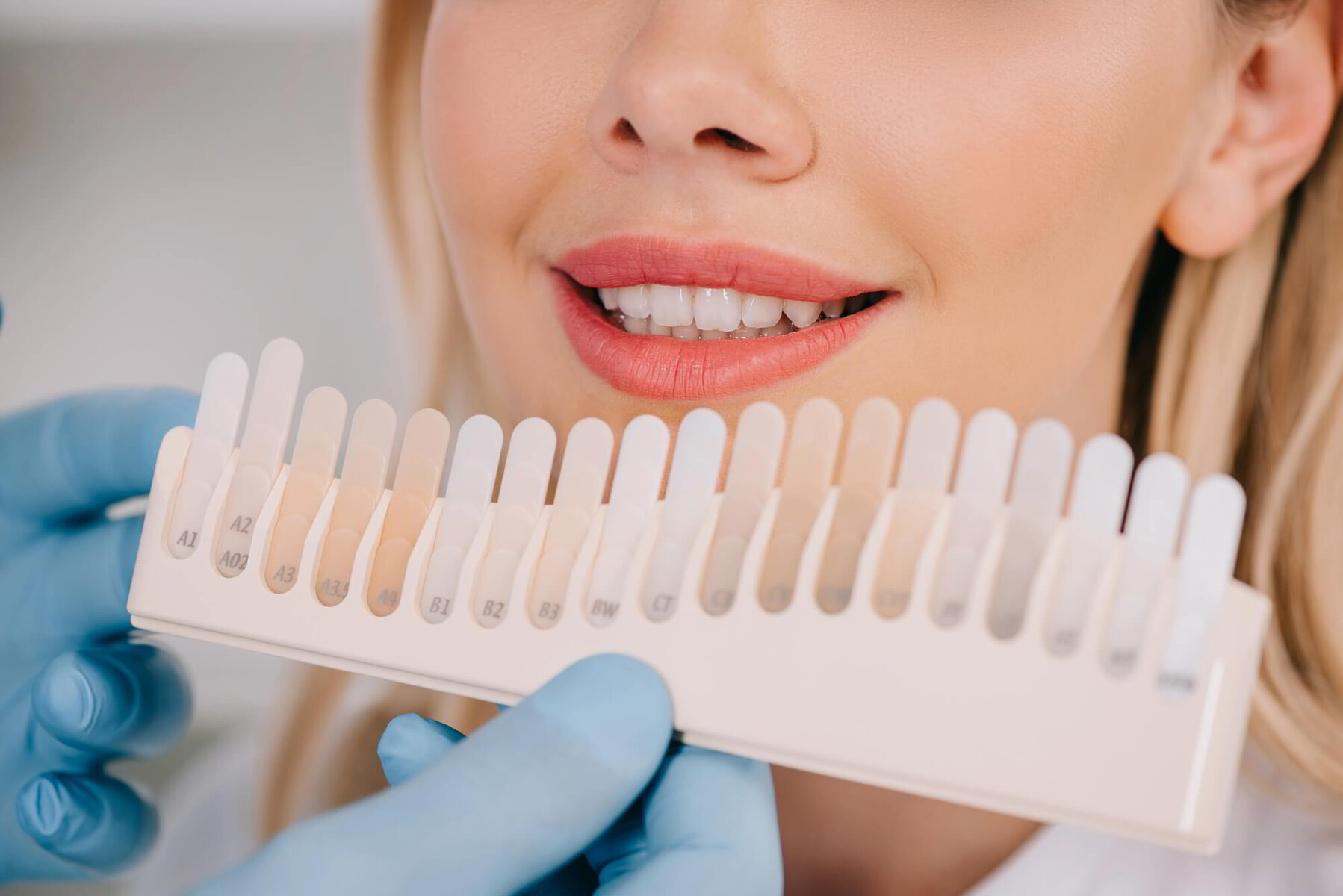
Brighten Your Smile Effectively at our East Nashville Dental Office
Whitening toothpaste can brighten your teeth, but its effectiveness is mainly limited to removing surface stains. It is a helpful tool for maintaining a clean, bright smile, but it is not a miracle solution for deep or intrinsic discoloration.
For noticeable and long-lasting results, you should explore other whitening methods, like in-office whitening at Greenwood Local Dentistry. If you’re interested in learning more about this treatment, reach out!