
5 Questions About Dental Bridges New Patients Always Ask
By Greenwood Local Dentistry in
Blog
12/10/2026
If you are missing one or more teeth, a dental bridge may be the solution you need. At Greenwood Local Dentistry and Orthodontics, Dr. Courtney Tischbein hears these concerns every week from new patients across Nashville. These are the 5 questions about dental bridges new patients always ask in Nashville — answered honestly and clearly so you can feel confident moving forward.
Understanding your treatment options is the first step toward a healthier smile. Let’s walk through the most common questions we receive about dental bridges right here in Nashville, TN.
What Exactly Is a Dental Bridge and How Does It Work?
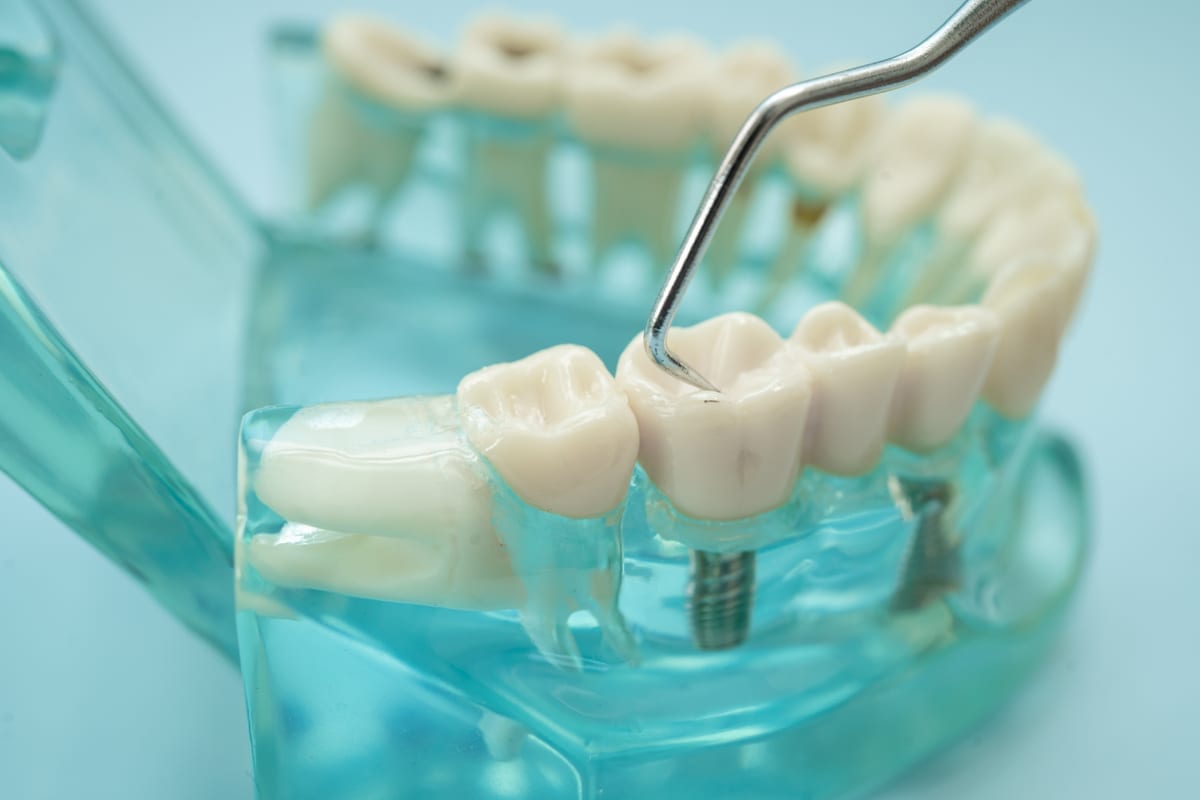
A dental bridge is a fixed restoration that replaces one or more missing teeth. It uses the healthy teeth on either side of the gap as anchors, called abutment teeth. A custom-made artificial tooth — called a pontic — sits between those anchors and fills the space.
The result is a natural-looking, stable replacement that restores your bite and appearance. Unlike removable dentures, a bridge is cemented permanently in place. You brush and care for it just like your natural teeth.
Bridges are made from several materials, including porcelain, ceramic, and metal alloys. Dr. Tischbein will recommend the best material based on the location of the gap and your personal preferences. Most patients in Nashville choose tooth-colored porcelain for a seamless look.
Am I a Good Candidate for a Dental Bridge in Nashville?
Most patients with one or more missing teeth are strong candidates for a dental bridge. However, the anchoring teeth on either side of the gap must be healthy enough to support the restoration. If those teeth have significant decay or weakness, other options may be considered first.
Good oral health is the foundation of any successful bridge. Dr. Tischbein will evaluate your gums, bone structure, and surrounding teeth before recommending a bridge. Patients with active gum disease may need treatment before moving forward.
Patients who are not candidates for dental implants often find that bridges are an excellent alternative. Your age, bone density, and overall health all factor into the decision. A thorough consultation at our Nashville office will clarify your best path forward.
- You have one or more missing teeth with healthy neighbors on each side
- Your gums and jawbone are in good overall condition
- You are committed to daily brushing and flossing around the bridge
- You want a permanent, non-removable tooth replacement option
What Does the Dental Bridge Procedure Actually Involve?
Many new patients worry the process will be long or painful. In reality, getting a dental bridge typically takes two appointments spread a few weeks apart. Here is a clear breakdown of what to expect at Greenwood Local Dentistry and Orthodontics.
At your first visit, Dr. Tischbein prepares the abutment teeth by removing a small amount of enamel. This creates space for the crowns that will anchor the bridge. Dental Crowns Nashville Nashville are an integral part of this process, capping the anchor teeth securely.
Impressions of your teeth are then sent to a dental lab, where your custom bridge is crafted. You will wear a temporary bridge in the meantime to protect your teeth. At your second appointment, Dr. Tischbein places and adjusts the permanent bridge for a perfect fit.
- First appointment: tooth preparation and impressions taken
- Temporary bridge placed while your custom bridge is fabricated
- Second appointment: permanent bridge fitted, adjusted, and cemented
- Follow-up check to confirm comfort and bite alignment
How Long Does a Dental Bridge Last and What Upkeep Is Needed?
With proper care, a dental bridge can last 10 to 15 years or longer. Some patients keep their bridges in excellent condition for over two decades. The key is consistent daily oral hygiene and regular dental visits.
Flossing under and around the bridge is especially important. Special floss threaders or water flossers make this much easier. Keeping the area clean prevents decay from forming on the abutment teeth beneath the crowns.
You should also avoid habits that can stress the bridge, such as chewing ice or hard candy. If you grind your teeth at night, let Dr. Tischbein know. A custom nightguard can protect your bridge and extend its lifespan significantly.
If you ever experience sudden sensitivity, pain, or a loose-feeling bridge, do not wait to seek care. At Greenwood Local Dentistry and Orthodontics, we treat urgent dental concerns promptly. You can also visit our Emergency Dental Nashville Tn Nashville page if you need immediate help.
How Does a Bridge Compare to Dental Implants?
This is one of the most common questions new patients ask before committing to treatment. Both bridges and implants replace missing teeth effectively, but they work in very different ways. Understanding the differences helps you make the right choice for your situation.
A dental implant is a titanium post surgically placed into the jawbone. It functions as an independent artificial tooth root. A bridge, by contrast, relies on neighboring teeth for support and does not require surgery.
Bridges are generally faster and more straightforward to place. They work beautifully when the neighboring teeth already need crowns or have existing restorations. Implants may be preferred when the neighboring teeth are fully healthy and you want to preserve them.
- Bridges are faster to place — no surgery or healing time required
- Implants preserve jawbone density over the long term
- Bridges are often a more accessible option for many patients
- Both can look completely natural when properly designed
Dr. Tischbein will discuss both options during your consultation. She takes the time to explain each approach clearly, so you never feel rushed or confused. The goal is always to find the best fit for your oral health and your lifestyle.
Your Next Step Toward a Complete Smile in Nashville
Dental bridges have helped millions of people restore their smiles, their confidence, and their ability to eat comfortably. If you have been living with a gap in your teeth, a bridge could be exactly what you need. Dr. Courtney Tischbein and the team at Greenwood Local Dentistry and Orthodontics are here to guide you every step of the way.
You deserve honest answers, compassionate care, and a treatment plan designed around your needs. Nashville patients trust our practice because we put education and transparency first. We hope this overview of the 5 questions about dental bridges new patients always ask in Nashville has given you the clarity you were looking for.
Ready to take the next step toward your healthiest smile? Book Now to schedule your appointment with our team.
Frequently Asked Questions
Is getting a dental bridge painful?
Most patients experience very little discomfort during the procedure. Dr. Tischbein uses local anesthesia to numb the area thoroughly before preparing the abutment teeth. Some mild soreness after the appointment is normal and typically resolves within a day or two.
How much does a dental bridge cost in Nashville?
The cost of a dental bridge varies based on the number of teeth being replaced, the materials used, and the complexity of your case. During your consultation at Greenwood Local Dentistry and Orthodontics, you will receive a clear, detailed breakdown of the cost before any treatment begins.
Can a dental bridge fall out?
A properly cemented dental bridge is designed to stay firmly in place for many years. However, if the abutment teeth develop decay or the cement weakens over time, the bridge can loosen. Routine checkups help catch any issues early before they become a larger problem.
Do I need to change what I eat after getting a bridge?
During the temporary bridge phase, you should avoid sticky or hard foods. Once your permanent bridge is in place, most patients return to their normal diet without restrictions. Dr. Tischbein will give you specific aftercare guidelines tailored to your situation.
How do I clean under a dental bridge?
Cleaning under a dental bridge requires a bit of extra attention. A floss threader, interdental brush, or water flosser makes it easy to remove plaque and food from beneath the pontic. Dr. Tischbein and our hygiene team will walk you through the exact technique at your appointment.