5 Signs Your Dental Implant Needs a Check-Up—And What You Can Do
By Greenwood Local Dentistry in
Blog
29/08/2025
Dental implants in East Nashville are among the most durable dental restorations, lasting a lifetime with the proper care. While good oral hygiene and regular visits to the dentist play a significant role, being attentive to potential infections is also crucial.
Even the best dental implants can become infected and loose over time. Knowing what signs to look for can help treat the infection immediately and prevent the implant from failing.
1. Persistent Pain or Discomfort

While some discomfort is normal after getting implants, ongoing or increasing pain months or years after surgery may signal a problem. Infection, nerve damage, or implant failure could all be the causes behind that discomfort.
What to Do: Don’t ignore the pain. Make an appointment with your dentist right away. They will take X-rays and examine the area to determine if the implant or the surrounding bone is affected. In the meantime, you can take over-the-counter medication to relieve the pain.
2. Swollen or Bleeding Gums Around the Implant
Healthy gums should not be swollen, tender, or bleed easily. These are signs of peri-implant mucositis (gum inflammation) or peri-implantitis (gum and bone infection), two types of gum disease that affect dental implants. If left ignored, periodontitis can damage your jawbone, so addressing this issue right away is crucial.
What to Do: Contact your dentist to evaluate the inflammation. They may recommend a deep cleaning around the implant, antibiotic treatment, or laser therapy to eliminate bacteria and restore the health of your gums. Good at-home oral hygiene is also crucial: brush and floss daily and use an antibacterial mouthwash to combat the infection.
3. Implant Mobility or Looseness
A dental implant should feel as stable as a natural tooth. Any wobbling or shifting could mean the implant has failed to fuse properly with the jawbone (osseointegration failure) or that the bone in the area is deteriorating. This won’t only risk your implant’s stability but could also cause further tooth loss in the area, so visit your dentist as soon as possible.
What to Do: A loose implant may need to be removed and replaced, especially if bone loss has occurred. In some cases, bone grafting may be needed to restore your bone’s health before reimplantation.
4. Gum Recession or Exposure of Implant Posts
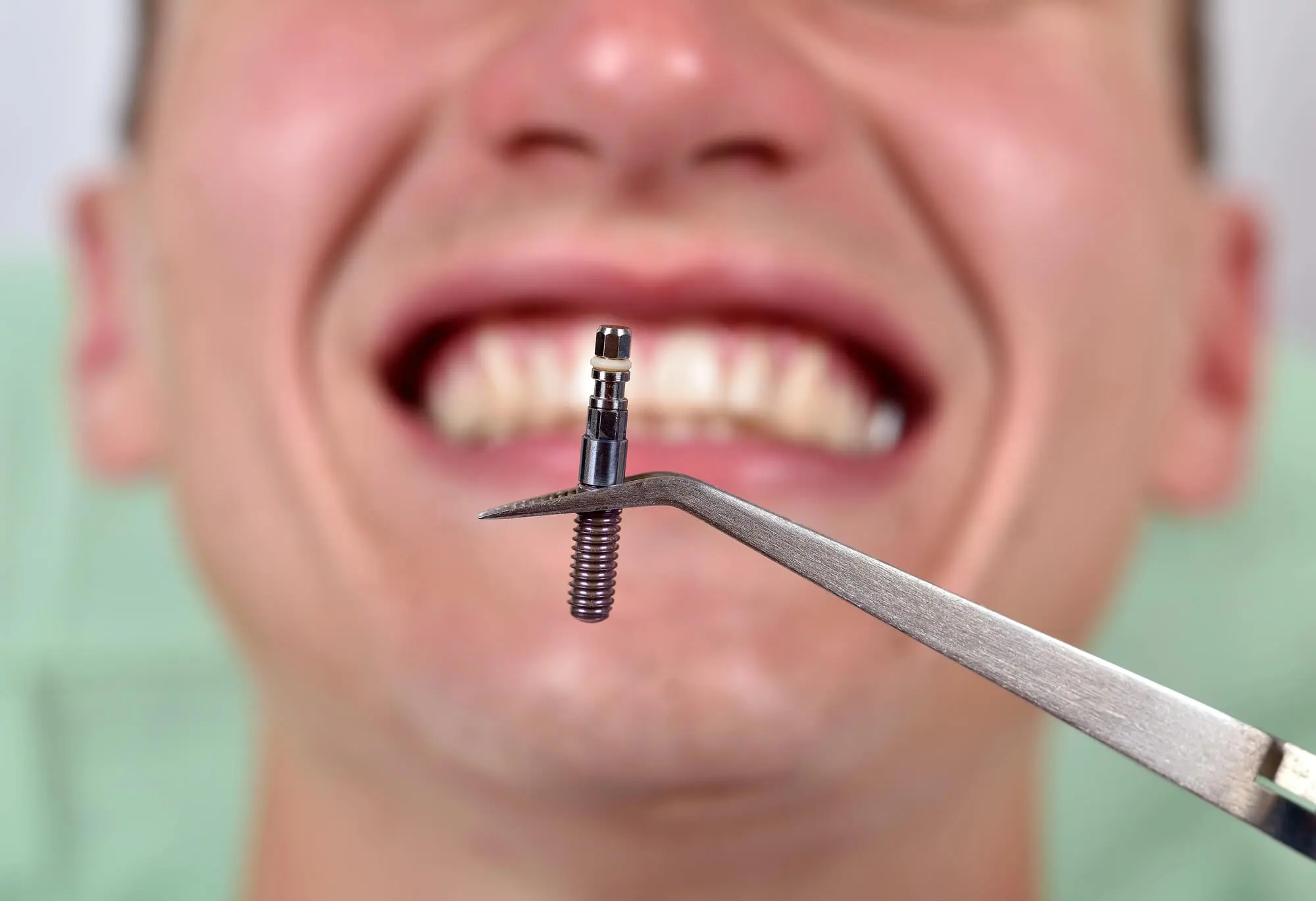
If the implant’s metal post becomes visible or the gumline starts to pull back, this is a sign of gum recession. This can expose the implant to bacteria and increase the risk of infection or failure.
What to Do: Early gum recession can often be treated with improved oral care and professional cleaning. More advanced cases may require gum graft surgery to restore the gumline and protect the implant.
5. Difficulty Chewing or Biting
If your implant feels off when chewing or biting or causes pain, something may be misaligned or wrong with the crown or implant structure.
What to Do: Schedule a check-up to adjust the implant or crown. Your dentist may need to reposition or replace the crown, check your bite alignment, or assess whether the implant is compromised.

Maintain Your Dental Implants in East Nashville with These Dental Tips
Dental implants are a durable, long-term solution for missing teeth. However, like natural teeth, they still require proper care and monitoring. While they don’t decay like real teeth, issues can still arise with the implant site, surrounding gums, or bone.
If you notice any of these signs, it’s time to schedule a dental check-up with Greenwood Local Dentistry to prevent serious complications. Contact us today to ensure your implants continue serving you well for years to come.