
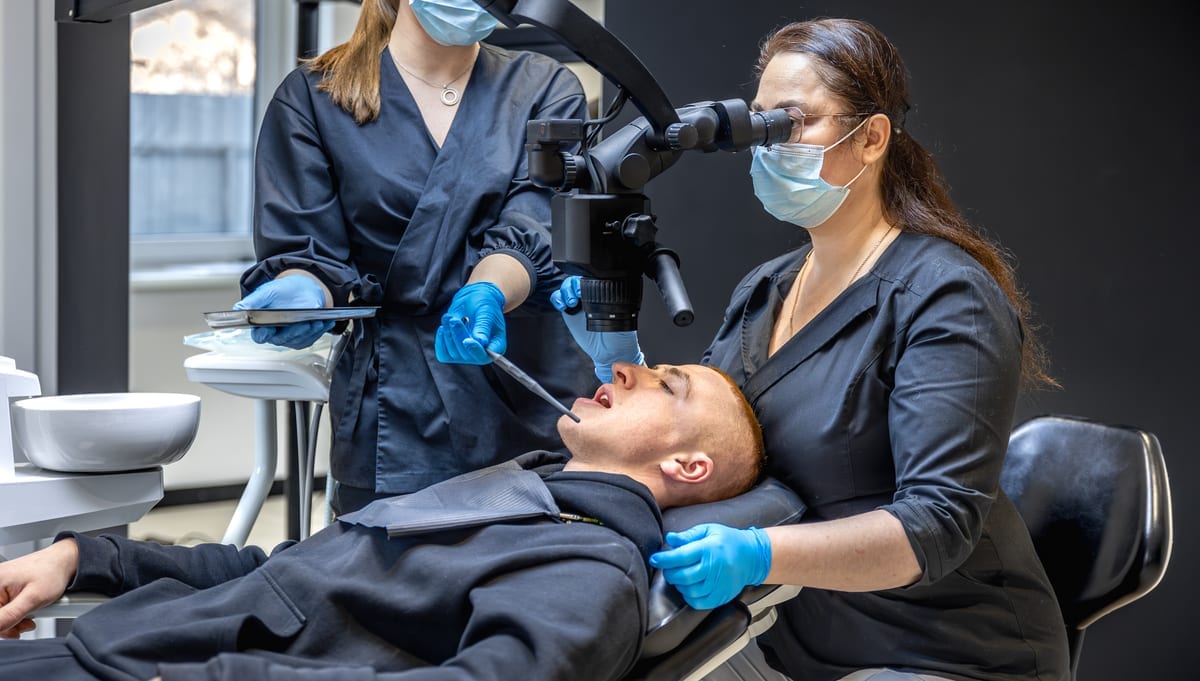
Root Canal Recovery: What to Eat, What to Take, and When to Worry
By Greenwood Local Dentistry in
Blog
24/08/2026
Root canal recovery in Nashville doesn’t have to be a guessing game. Many patients leave our chair at Greenwood Local Dentistry and Orthodontics unsure of what comes next. Dr. Courtney Tischbein wants you to feel confident and informed every step of the way. This guide covers exactly what to eat, which pain relievers work best, how long sensitivity typically lasts, and the warning signs you should never ignore.
What to Eat During Root Canal Recovery in Nashville
Your tooth and surrounding gum tissue need time to heal after a root canal. Choosing the right foods makes a real difference in your comfort and recovery speed. Stick to soft, easy-to-chew options for the first few days.
Here are smart food choices during the early recovery phase:
- Yogurt, applesauce, and mashed potatoes
- Scrambled eggs and soft-cooked oatmeal
- Smoothies and protein shakes (no straws)
- Soup broth and well-cooked pasta
- Bananas, avocado, and soft-cooked vegetables
Avoid hard, crunchy, or chewy foods for at least 72 hours. Chewing on the treated side puts stress on a tooth that is not yet fully restored. Temperature extremes can also trigger sensitivity, so let hot soups cool before eating.
Most patients in Nashville feel comfortable returning to a normal diet within three to five days. If chewing is still painful after a week, contact our office for a follow-up evaluation.
What to Take for Pain Relief After Your Procedure
Mild to moderate discomfort is completely normal after a root canal. The good news is that over-the-counter medications manage most post-procedure pain effectively. Dr. Tischbein recommends starting pain relief before the local anesthetic fully wears off.
The most effective OTC options include:
- Ibuprofen (Advil, Motrin): Reduces inflammation and numbs pain. Take 400–600 mg every six to eight hours with food.
- Acetaminophen (Tylenol): A good alternative if ibuprofen upsets your stomach. Follow package dosing instructions carefully.
- Combination approach: Alternating ibuprofen and acetaminophen every three to four hours can provide stronger, more consistent relief.
Never exceed the recommended daily dose for either medication. Avoid aspirin, as it can increase bleeding risk around the treated area. If OTC options are not controlling your pain, call our Nashville office right away.
Prescription pain medication is rarely necessary after a root canal. Most patients find that ibuprofen alone handles their discomfort within two to three days. Swelling in the jaw can also respond well to a cold compress applied for 10 minutes at a time.
How Long Does Sensitivity Last After a Root Canal?
Tooth sensitivity after a root canal is expected and typically short-lived. The tissue around the root tip goes through a natural inflammatory response as it heals. Most patients notice significant improvement within two to four days.
Here is a general timeline for what to expect:
- Day 1–2: Soreness and tenderness are at their peak. Avoid chewing on the treated side.
- Day 3–5: Discomfort begins to decrease noticeably. Soft foods are still recommended.
- Day 5–7: Most patients feel close to normal. Mild sensitivity may linger when biting.
- Week 2 and beyond: Sensitivity should be fully resolved after your permanent restoration is placed.
A temporary filling is often placed after the root canal while you wait for a permanent Dental Crowns Nashville Nashville restoration. This temporary filling may feel slightly different from your natural bite. That mild pressure sensation is normal and usually fades within a few days.
If sensitivity increases rather than improves after day three, that is a signal worth paying attention to. Worsening pain does not always mean something is wrong, but it does deserve professional attention.
Red Flags During Recovery: When to Worry in Nashville
Most root canal recoveries are smooth and uneventful. However, certain symptoms indicate a complication that needs prompt care. Knowing these warning signs helps you act quickly when it matters most.
Contact Greenwood Local Dentistry and Orthodontics right away if you experience any of the following:
- Severe pain that worsens after the third day despite medication
- Swelling in the jaw, cheek, or neck that is spreading
- Fever above 100.4°F (38°C) that develops after your procedure
- The temporary filling falls out or feels significantly altered
- Visible pus, discharge, or an unusual taste near the treated tooth
- Difficulty opening your mouth or swallowing
These symptoms are rare, but they can signal infection or an incomplete seal. Do not wait and see if these issues resolve on their own. An untreated dental infection can spread quickly and become a serious health concern.
If you experience severe symptoms outside of regular office hours, please seek Emergency Dental Nashville Tn Nashville care immediately. Early intervention protects both your tooth and your overall health. Dr. Tischbein and our Nashville team are committed to being there when you need us most.
Tips for a Smooth Recovery at Home
A few simple habits can significantly speed up your healing process. These practical steps complement the medications and dietary choices covered above. Following them consistently makes a measurable difference in how you feel day to day.
- Keep your head elevated when sleeping for the first two nights
- Rinse gently with warm salt water starting on day two
- Brush and floss carefully, avoiding direct pressure on the treated tooth
- Avoid smoking or tobacco use during the recovery period
- Skip strenuous exercise for at least 24 hours after your procedure
Salt water rinses reduce bacteria and soothe inflamed gum tissue naturally. Use half a teaspoon of salt in eight ounces of warm water. Rinse gently for 30 seconds, two to three times daily.
Rest is genuinely helpful on the day of your procedure. Your body heals faster when it is not under physical stress. Most Nashville patients return to desk work and light activity the very next day without any issues.
Conclusion: Your Recovery Is in Good Hands
A root canal is one of the most misunderstood procedures in dentistry. The recovery is typically mild, manageable, and shorter than most patients expect. With the right foods, the right OTC medications, and a clear understanding of what is normal versus concerning, you can heal with confidence.
Dr. Courtney Tischbein and the team at Greenwood Local Dentistry and Orthodontics in Nashville are here to support your full recovery. We provide clear aftercare instructions tailored to your specific situation. You will never leave our office without knowing exactly what to expect next.
If you have questions about your recovery or need to schedule a follow-up visit, we are ready to help. Book Now to schedule your appointment with our team.
Frequently Asked Questions
How long does root canal recovery typically take?
Most patients in Nashville recover within three to five days. Mild sensitivity near the treated tooth may linger up to a week. Full healing is usually complete once the permanent crown or restoration is placed.
Can I go to work the day after a root canal?
Yes, most patients return to work or school the day after their procedure. If your job involves heavy physical labor, consider taking one additional day to rest. Desk work and light activity are generally fine within 24 hours.
Is it normal to still feel pain two days after a root canal?
Some soreness on days one and two is completely normal. Pain should begin to decrease significantly by day three. If your pain is worsening rather than improving after 72 hours, contact our Nashville office for an evaluation.
What should I avoid eating after a root canal?
Avoid hard, crunchy, chewy, or sticky foods for at least 72 hours. Very hot or very cold foods can also trigger sensitivity in the treated area. Soft foods like yogurt, eggs, and mashed potatoes are your best options during early recovery.
When should I get my permanent crown after a root canal?
Dr. Tischbein typically recommends scheduling your crown appointment within a few weeks of your root canal. A temporary filling protects the tooth in the meantime, but it is not a permanent solution. Delaying the crown increases the risk of the tooth cracking or becoming reinfected.