
Why Your Teeth Whitening Isn’t Working: Intrinsic vs. Extrinsic Stains
By Greenwood Local Dentistry in
Blog
03/08/2026
You’ve tried whitening strips, trays, and toothpaste. Yet your smile still looks dull or discolored. If you’re wondering why your teeth whitening isn’t working — intrinsic vs. extrinsic stains in Nashville may be the key to understanding your results. Not all tooth discoloration responds the same way to whitening treatments. Knowing the difference can save you time, money, and frustration.
What Are Extrinsic Stains — and Why Do They Respond to Whitening?
Extrinsic stains sit on the outer surface of your tooth enamel. They come from things you eat, drink, or expose your teeth to over time. Coffee, tea, red wine, and tobacco are among the most common culprits for Nashville patients.
Because these stains are surface-level, they respond well to whitening treatments. Hydrogen peroxide-based products can penetrate and break up these pigment molecules. This is exactly what over-the-counter strips and professional whitening gels are designed to target.
Regular teeth cleaning appointments also help remove light extrinsic buildup. Your hygienist uses professional-grade tools to polish away surface discoloration. Combining cleanings with a whitening treatment often delivers the best visible results.
- Coffee and tea staining
- Red wine discoloration
- Tobacco and nicotine stains
- Food dyes from berries, sauces, and sodas
- Surface plaque and tartar buildup
What Are Intrinsic Stains — and Why Whitening Doesn’t Fix Them
Intrinsic stains develop inside the tooth structure itself. They affect the dentin layer beneath your enamel. No amount of surface whitening can reach or change these deeper discolorations.
Several factors cause intrinsic staining. Tetracycline antibiotic use during childhood is a common cause. Excessive fluoride during tooth development, known as fluorosis, can also create white spots or brownish patches.
Trauma to a tooth can trigger internal bleeding inside the pulp. This blood breaks down and stains the dentin from within. The result is often a grayish or darkened tooth that whitening products simply cannot improve.
Aging also contributes to intrinsic discoloration. As enamel thins over time, the naturally yellow dentin beneath becomes more visible. This is one reason older patients often feel whitening treatments aren’t delivering the results they expect.
- Tetracycline or antibiotic staining from childhood
- Dental fluorosis from excess fluoride
- Tooth trauma causing internal discoloration
- Natural aging and enamel thinning
- Genetic factors affecting dentin color
Alternatives for Intrinsic Stains in Nashville
If whitening won’t work for your type of stain, don’t lose hope. Dr. Courtney Tischbein at Greenwood Local Dentistry and Orthodontics offers several effective alternatives. The right solution depends on the severity and cause of your discoloration.
Dental veneers are one of the most popular options for masking intrinsic stains. These thin porcelain shells bond to the front surface of your teeth. They cover discoloration completely and create a uniform, natural-looking smile.
For teeth that are structurally compromised along with discoloration, a Dental Crowns Nashville Nashville may be the best path forward. Crowns fully encase the visible tooth above the gumline. They restore both appearance and function in a single treatment.
Composite bonding is another option for localized intrinsic stains. A tooth-colored resin is applied and shaped directly to the affected area. It’s a faster and more affordable choice for minor discoloration concerns.
When to See a Dentist About Whitening Results
Many Nashville residents try multiple whitening products before seeking professional advice. This is understandable — whitening products are everywhere and easy to access. However, certain signs indicate it’s time to speak with a dental professional.
If you’ve used whitening treatments consistently for four or more weeks without improvement, that’s a signal. Persistent gray, brown, or spotted discoloration usually points to intrinsic causes. A professional evaluation can identify the exact type of stain you’re dealing with.
Tooth sensitivity during or after whitening is also worth discussing. Overuse of whitening products can irritate the pulp and weaken enamel. A dentist can recommend safer protocols or alternative treatments to protect your oral health.
In some cases, sudden discoloration may indicate a deeper issue. A tooth that has changed color after an injury may need root canal treatment to address internal damage. In urgent situations, reaching out to Emergency Dental Nashville Tn Nashville can ensure you get timely care and an accurate diagnosis.
Choosing the Right Whitening Approach in Nashville
Understanding your stain type is the first step toward a brighter smile. Extrinsic stains often respond well to professional whitening treatments. Intrinsic stains require cosmetic or restorative dental solutions instead.
Dr. Courtney Tischbein and the team at Greenwood Local Dentistry and Orthodontics take a personalized approach. Every patient’s discoloration has a unique cause and history. A thorough exam helps determine which treatment will actually deliver results for your specific situation.
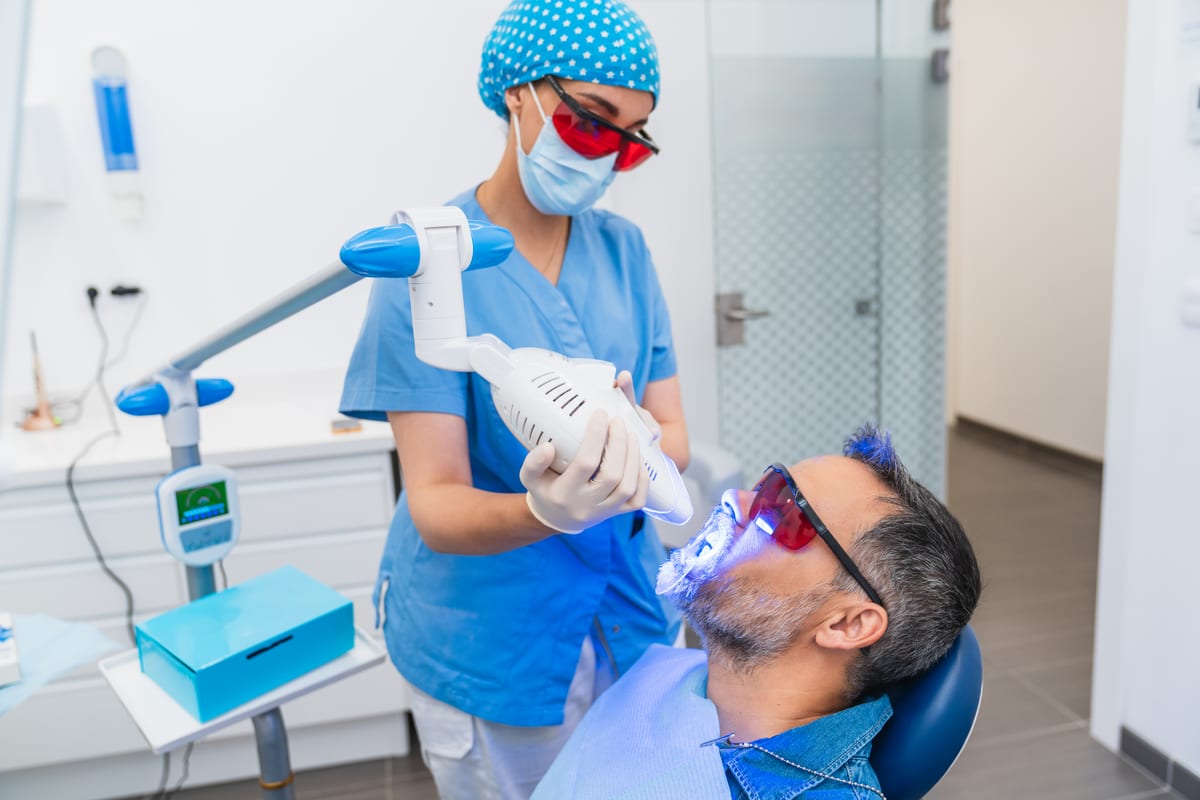
Professional whitening performed in a dental office is also significantly more effective than store-bought products. Higher-concentration gels are used safely under supervision. Results are faster, longer-lasting, and tailored to your enamel’s sensitivity level.
Nashville patients don’t have to keep guessing why their whitening isn’t working. With the right diagnosis, you can invest in a solution that genuinely matches your needs. The goal is always a healthier, more confident smile — not just a brighter one.
Ready to find out what’s really behind your discoloration? Book Now to schedule your appointment with our team.
Frequently Asked Questions
Why isn’t my teeth whitening working even after multiple treatments?
If you’ve used whitening products multiple times without results, you likely have intrinsic staining. Intrinsic stains occur inside the tooth structure and cannot be reached by peroxide-based whitening gels. A dental evaluation can confirm the cause and recommend the right cosmetic alternative, such as veneers or dental crowns.
Can professional whitening fix intrinsic stains?
Professional whitening is more powerful than store-bought products, but it still targets surface enamel. It cannot reverse discoloration caused by tetracycline, fluorosis, trauma, or aging dentin. For intrinsic staining, cosmetic treatments like veneers or bonding are far more effective options.
What causes gray teeth that don’t respond to whitening?
Gray discoloration is usually a sign of intrinsic staining. It commonly results from tooth trauma, past antibiotic use, or internal pulp damage. In some cases, a root canal may be needed before any cosmetic treatment is applied to restore the tooth’s appearance.
How do I know if my stains are extrinsic or intrinsic?
Extrinsic stains are typically yellow or brown and linked to food, drinks, or tobacco. They often improve with whitening or professional cleaning. Intrinsic stains appear gray, dark, or spotted and do not respond to surface whitening — a dentist can confirm the type through a clinical exam.
Are veneers a good option for discolored teeth in Nashville?
Yes, veneers are an excellent solution for patients with intrinsic staining that whitening cannot fix. They cover the front surface of the tooth completely and are custom-shaded to match your natural smile. Dr. Courtney Tischbein at Greenwood Local Dentistry and Orthodontics can help you determine if veneers are right for your specific situation.